
Key Takeaways
- Blood-sucking bugs don’t need dirty homes. They only need access, warmth, and hiding spots. This is why even clean houses can have infestations.
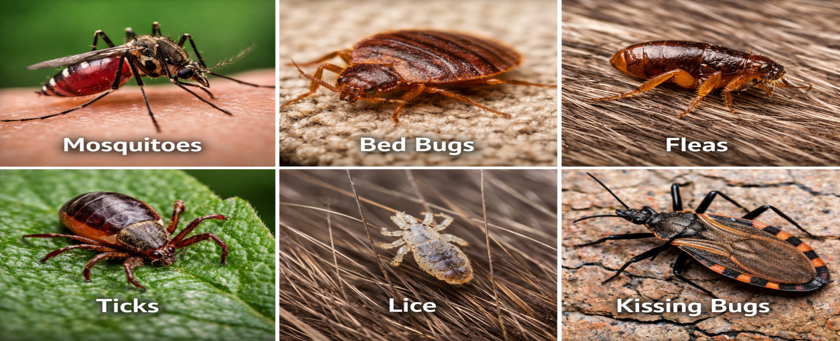
- Common blood-sucking pests include mosquitoes, bed bugs, fleas, ticks, lice, and kissing bugs, many of which bite quietly and go unnoticed at first.
- Bug bites are more than an irritation. Several pests can spread diseases, cause allergic reactions, or lead to infections from scratching.
- Early prevention is easier than removal. Reducing standing water, protecting pets, sealing entry points, and using repellents lowers the risk significantly.
- Professional pest control becomes essential when infestations persist, spread, or involve disease-carrying pests that DIY methods cannot handle safely.
You don’t think about blood-sucking bugs until something feels off. You wake up itchy. Your kid has mysterious bites. The dog won’t stop scratching. But the house looks clean! So, what is biting you and where is it coming from? The truth is, blood-sucking bugs don’t need mess or neglect. They only need access, a warm body, and a quiet corner. Read on to learn more!
What are Blood-Sucking Bugs and Insects?
Blood-feeding pests survive by taking blood from humans or animals. Some do it to reproduce. Others rely on it for survival. This group includes mosquitoes, bed bugs, fleas, lice, kissing bugs, and ticks. Most of them bite quietly. Many people never feel the bite itself. The reaction shows up hours later. Their mouthparts are designed to pierce skin.
Common Bugs and Insects That Suck Blood
Below is the list of blood-sucking insects and pests that you might run into in your home sweet home!
- MosquitoesMosquitoes are the most familiar flying bugs that suck blood, and also the most underestimated. Only females bite. They need blood to develop eggs. A bottle cap’s worth of standing water is enough for breeding. You might’ve usually noticed them in the evening, but daytime biters exist, too. The bite itself itches. The bigger issue is disease.Mosquitoes are known carriers of malaria, dengue, Zika virus, and West Nile virus. If mosquitoes are active around your home, it’s not just a nuisance problem.
- Bed BugsBed bugs don’t care how clean your home is. They care where you sleep. These small blood-sucking bugs hide close to beds, usually in mattress seams, bed frames, and headboards. Bed bugs in mattress areas are one of the most common starting points.They come out at night, drawn by warmth and breathing. Bed bugs suck blood, leaving behind bed bug bites, then retreat before morning. Some people react strongly to bed bug bites with itching and swelling, while others barely react at all. That’s why infestations often go unnoticed until they are well established.
- FleasFleas usually arrive through pets, but they won’t stop there. They hide in carpets, furniture, and bedding. Homeowners often discover them after noticing fleas in bed or repeated bites around the ankles. Historically, fleas were responsible for the Black Plague. Today, they can still transmit typhus and tapeworms.Once established, it becomes very difficult to get rid of fleas without professional treatment fully.
- Ticks (Arachnids, Not Insects)Ticks don’t behave like insects because they aren’t insects. They are arachnids that attach themselves to their prey firmly and feed slowly. Sometimes for days. They often enter homes on pets or clothing, leading to ticks in house situations that surprise homeowners.Tick bites are easy to miss. The diseases they transmit are not. Lyme disease is the most well-known, but it’s not the only one. Knowing how to safely get rid of ticks matters just as much as spotting them.
- LiceThese are irritating bug that sucks blood and live on the body, usually in the scalp. They spread through close contact and shared items. Schools and shared households see them most often. They feed frequently, which is why itching becomes constant. While lice don’t usually spread serious disease, infestations are stressful and disruptive.
- Kissing BugsKissing bugs are nocturnal feeders. They bite near the mouth or face while people sleep. In some regions, blood-sucking kissing bugs can transmit Chagas disease. They often enter homes through small gaps or where pets sleep. Many people never see the bug. They only notice the bite later.
- Sandflies and Black FliesThese small blood-sucking insects are usually encountered outdoors. Their bites are painful and slow to heal. Sandflies, in particular, are known to spread leishmaniasis in certain regions. They are small, aggressive, and often underestimated.
- Tsetse FliesTsetse flies are found mainly in parts of Africa. Their bites are painful and memorable. More importantly, they spread sleeping sickness, also known as African trypanosomiasis. While these tiny blood-sucking bugs are not found indoors, they are a serious concern for travelers.
Why These Pests Deserve Attention?
Bites are annoying. But the real concern goes deeper than itching. These insects suck human blood or animal blood. That means they can suck your blood or your dog’s blood, or whatever pet you are keeping. This way, these bugs spread disease. Others trigger allergic reactions or infections from scratching.
How to Protect Your Home and Family From Blood-Sucking Bugs?
Preventing bugs that suck blood is far easier than removing them later. Follow these tips:
- Wear protective clothing in grassy or wooded areas.
- Eliminate standing water around your property.
- Wash pet bedding regularly.
- Use EPA-approved repellents with DEET or Picaridin.
- Keep pets on flea and tick prevention year-round.
- Seal cracks and gaps around doors and windows.
- Reduce clutter indoors.
Remember, if despite doing all this, pests keep returning, it’s time to escalate.
When is the Professional Pest Control Right Move?
DIY solutions work for minor issues. They don’t work for serious infestations. Professional pest control addresses hiding spots, breeding cycles, and re-entry points. That’s what actually solves the problem.
Got pests? Get professional pest control solutions you can trust.
Blood-sucking bugs and insects don’t always make themselves obvious. They settle in quietly. They spread slowly. And by the time bites appear, they’ve often been around longer than expected. Awareness is the first layer of protection. Prevention is the second. And professional help, when needed, is what restores peace of mind.
A safe home isn’t just about cleanliness. It’s about knowing what you are dealing with and acting early.