Key Takeaways
- Ticks in the house are not random. One tick often means others may be hiding nearby, especially if pets or outdoor exposure are involved.
- Pets and people are the main way ticks get inside. Dogs, cats, clothing, and outdoor gear commonly carry ticks indoors, where they drop off and hide in quiet, dark areas.
- Hot washing, high-heat drying, and detailed vacuuming kill ticks at every life stage and should be done immediately.
- DIY methods and natural remedies can help repel ticks. But repeated sightings, eggs, or multiple ticks usually require professional pest control.
- Prevention is a daily habit, not a one-time fix. Yard maintenance, personal checks, and year-round pet protection are the most reliable ways to keep ticks from coming back.
Even one tick indoors can make you question every itch, every scratch, every dark speck on the floor. Your concern is totally valid! Ticks in the house are not just annoying. They feed on blood and can spread disease. This guide breaks down how ticks end up indoors, where they hide, how to get rid of them safely, and what actually works to keep them out for good.
How Can You Identify a Tick Indoors?
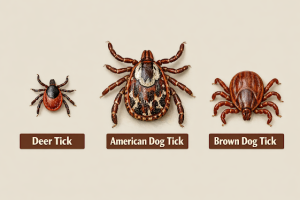
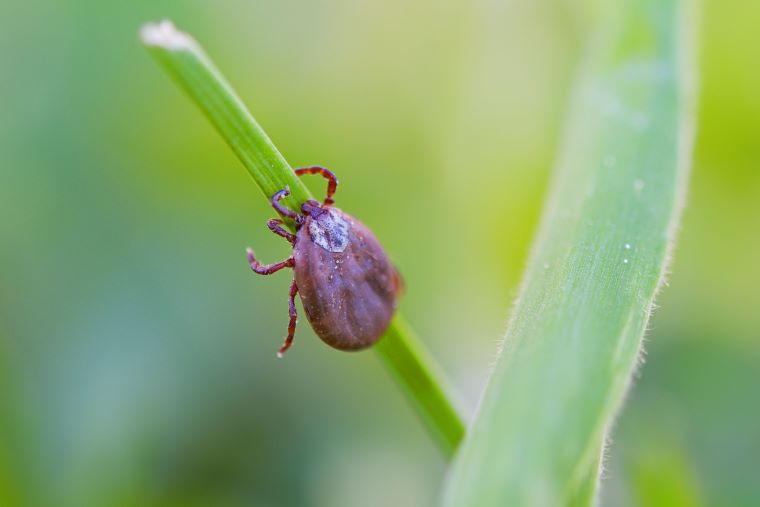
One common concern is seed ticks in the house. These are young ticks, not a different species. Because they are so small, people often mistake them for dust or mites until they see several at once. When tics are not fed, they look like tiny dark dots or seeds. However, as they grow, they can acquire oval-shaped structure as big as a grape.
You often notice tick infestation in the house when they grow up. So, if you don’t want to be late, look for brown or black bugs of all sizes (big and tiny) near pet bedding, curtains, frames, walls, furniture, and in other warm and moist areas.
Knowing how ticks grow further helps explain why they can be so stubborn. Ticks develop in four stages:
- Eggs: Tiny clusters laid in hidden, protected areas where they hatch into larvae.
- Larva: Very small “seed ticks” that need their first blood meal to survive and grow.
- Nymphs: Slightly larger and harder to notice, nymphs feed again and are responsible for many tick bites.
- Adult: Fully grown ticks that attach for longer feeds and reproduce after taking blood.
Each stage requires a blood meal. If ticks find pets or people indoors, they can continue developing. In some cases, especially with certain species, tick eggs in the house can hatch near pet bedding or cracks in the flooring.

How Do Ticks Get in the House
Ticks do not usually crawl in from the street. They arrive with help. Most indoor tick problems start from one of the following sources:
- Household Pets: Dogs and cats often bring ticks in after spending time in the yard, parks, or wooded areas. Once inside, ticks drop off and hide.
- People and Clothing: Ticks cling to socks, pant legs, shoes, backpacks, and jackets. You may never feel them.
- Outdoor Equipment: Camping gear, sports bags, folding chairs, and even picnic blankets can carry ticks indoors.
- Rodents and Wildlife: Mice, rats, or other animals nesting in crawlspaces or attics can introduce ticks into the home.
If you keep finding ticks in the house, the source is usually ongoing, not random.
How to Get Rid of Ticks in the House?
Once you spot the signs of ticks in the house, speed matters. The sooner you act, the easier it is to stop the problem from growing. Check out the practical steps to eliminate ticks indoors:
Step 1: Clean and Contain Immediately
Start with the basics. These steps remove a large percentage of ticks right away.
- Hot Wash and High Heat DryingWash bedding, clothing, towels, and pet blankets in hot water. Then dry everything on high heat for at least ten minutes. Heat is what kills ticks at every life stage.
- Detailed VacuumingVacuum carpets, rugs, baseboards, furniture seams, and pet sleeping areas. Move slowly and get into corners and cracks.
- Dispose of Vacuum Contents Right AwaySeal the vacuum contents in a plastic bag and place it in an outdoor trash bin. Do not leave it inside.
Step 2: Focused Treatments, Chemical and Natural
Here are both chemical and natural ways of treatment for ticks in the house:
- Indoor Tick TreatmentsEPA-registered products with ingredients like permethrin or pyrethrins can help when applied correctly along baseboards and under furniture. If you have cats, use extreme caution. Some tick products can be dangerous for them.
- Natural Options (Helpful but Limited)Your home might not need pesticides if you know how to get rid of ticks in the house naturally. You can use essential oils, diatomaceous earth, rosemary sprays, or citrus scents. These natural solutions help repel ticks. However, they can rarely solve an active tick infestation in the house on their own.Relying on predators like chickens or wildlife is not effective indoors and should not be considered a real solution.
Step 3: Address Pets Directly
Pets are often the main reason ticks keep coming back. So, try these:
- Manual Tick Removal: Use fine-tipped tweezers. Grasp the tick close to the skin and pull straight out. Drop the tick into rubbing alcohol.
- Veterinary Prevention: Talk to your vet about current oral or topical preventatives. These stop ticks from surviving long enough to spread or reproduce.
Step 4: When Professional Help Makes Sense
If you spot multiple ticks, eggs, or repeated activity, that means your DIY methods fall short in getting rid of ticks in the house. A licensed pest control professional understands the following:
- Where ticks hide inside homes
- Which treatments are safe for families and pets
- How to prevent re-entry
This is when homeowners often reach out to experienced providers like Take Care Termite and Pest Control for targeted indoor and outdoor solutions.
How to Prevent Ticks From Returning Long-Term
It’s not enough to know what kills ticks in the house. Keeping them from coming back is where most people struggle. Follow these tips to ensure that you don’t have to spot tics in your house in the future:
Yard and Property Adjustments
- Ticks thrive in damp, shaded areas. Creating a barrier between your home and their habitat makes a real difference. A three-foot strip of gravel or wood chips between the lawn and wooded areas helps block their movement.
- Regularly remove leaf piles, tall grass, and brush. Keep woodpiles neat and dry, and store them away from the house. These steps reduce rodents, which are common tick carriers.
- If deer visit your yard, consider fencing or deterrents. Deer bring ticks closer to homes more than you realize.
Personal Habits That Reduce Risk
- When spending time outdoors, clothing choices matter. Light-colored clothes make ticks easier to spot. Long sleeves and pants tucked into socks limit access points.
- Treat clothing and outdoor gear with permethrin.
- Apply repellents with DEET or Oil of Lemon Eucalyptus to exposed skin, following label directions.
Mandatory Routine to Follow After Being Outdoors
- Many ticks enter homes after outdoor activities. Check your body thoroughly, especially warm areas like behind the knees, the scalp, armpits, and waistband.
- Shower within two hours of coming inside. This helps remove unattached ticks and gives you a chance to spot any that are attached.
- Dry clothes on high heat, even if they look clean.
Pet and Home Maintenance
- Pets should stay on year-round tick prevention.
- Seal cracks, gaps, and foundation openings to keep rodents out. Even small entry points matter.
Protect your home and family with professional residential pest control services.