
Key Takeaways
- Bed bug bites are small, itchy red welts that usually appear in clusters or lines on exposed skin.
- They are not dangerous, but they can irritate mild allergic reactions and anxiety.
- Identifying bed bug bites early helps prevent infestations and allows timely treatment.
- Most bites heal naturally within 1-2 weeks, but medical care may be needed for severe reactions.
- Professional pest control is the most effective way to get rid of bed bugs permanently.
If you’ve ever woken up with itchy red spots that seem to appear overnight, there’s a good chance that bed bugs might be the culprits. These tiny, flat insects feed on human blood while you sleep, leaving behind clusters of bites that can be irritating and uncomfortable. The good news? While bed bug bites are unpleasant, they are not usually dangerous.
However, they can cause intense itching, allergic reactions, and even stress or sleep disturbances. Learning how to recognize, treat, and prevent these bites can help you act quickly and protect your home from a full-blown infestation.
What Are Bed Bug Bites?
Bed bug bites are caused by small parasitic insects called Cimex lectularius, commonly known as bed bugs. These pests are most active at night and feed on human blood by piercing the skin with their beak-like mouthparts. Since they inject an anesthetic and anticoagulant, most people don’t feel the bite as it happens.
The reaction usually appears a few hours to a few days later in the form of small, red, itchy bumps. Bed bugs typically target areas of exposed skin, such as your arms, legs, neck, and face, while you sleep. Some people experience minimal irritation, while others may develop swelling, blisters, or a mild allergic reaction, depending on skin sensitivity.
What Do Bed Bug Bites Look Like?
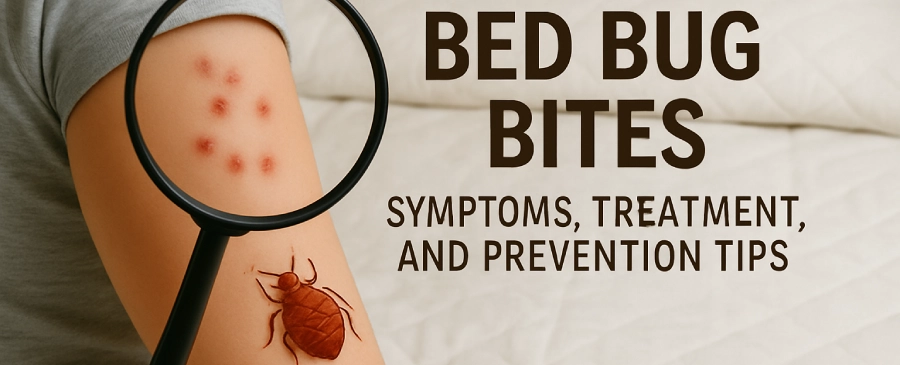
Wondering what bed bug bites look like? Well, bed bug bite marks are typically small, red, and slightly swollen spots that may form in zigzag or cluster patterns. These marks are often mistaken for mosquito or flea bites. But the differentiating factor is that bed bug bites tend to follow a more consistent pattern, usually 2 to 3 bites in a line.
Common features include:
- Raised red spots with a darker center
- Itchiness, mild burning, or stinging sensation
- Bites concentrated on areas exposed during sleep
In comparison to other pests, mosquito bites appear randomly across the body, while flea bites are smaller and mostly found around the ankles or feet. For a deeper look at the differences, check out our guide on Bed Bug Bites vs Flea Bites.
Bed Bug Bites Pictures
Here are a few visual examples of bed bug bites on humans, showing mild, moderate, and allergic skin reactions. These pictures help you recognize the severity of your symptoms and decide if professional help is needed.

Where Do Bed Bugs Bite the Most on Humans?
They prefer exposed skin areas when you sleep, rest, or sit still for long periods. Since bed bugs can’t bite through clothing, they focus on parts of the body that aren’t covered.
Common Bed Bug Bite Sites Include:
- Arms and shoulders
- Neck and face
- Legs and ankles
- Back and torso
If you often wake up with itchy bed bug bite spots in these areas, it’s worth inspecting your bedding and mattress seams closely for signs of infestation.
What are the Common Symptoms of Bed Bug Bites?
Most people notice symptoms within hours or days after being bitten. They may start as small red dots and gradually become more inflamed or itchy over time.
Common Bed Bug Signs Include:
- Red, itchy welts or bumps (often in clusters)
- Burning or stinging sensation
- Mild swelling or inflammation
Severe or Allergic Reactions to Bed Bug Bites (Rare) Include:
- Painful blisters or hives
- Secondary infection from scratching
- Intense itching leading to disrupted sleep
If your bites seem to worsen or spread, consult a healthcare provider for further care.
How Long Do Bed Bug Bites Last?
Most bed bug bites fade naturally within 1-2 weeks, depending on your skin type and how much you scratch them. However, if you have sensitive skin or an allergic reaction, they may take longer to heal.
Tips for Faster Recovery:
- Avoid scratching to prevent infection
- Wash the area with mild soap and warm water
- Apply a cold compress to reduce swelling
- Use over-the-counter anti-itch creams like calamine or hydrocortisone
- Keep nails trimmed to minimize irritation
If you keep getting bitten, you might be dealing with an active infestation. In that case, consider hiring professionals. Get in touch with our residential pest control experts to stop bed bugs before they spread further.
What are the Causes and Risk Factors Associated With Bed Bug Bites?
Anyone can get bed bug bites, but certain conditions make infestations more likely.
Common Causes and Risk Factors include:
- Staying in infested hotels, dorms, or travel accommodations
- Living in cluttered or shared spaces
- Bringing home second-hand furniture or mattresses
- Warm environments that encourage breeding
- Frequent travel or moving without inspecting luggage
What are Bed Bug Bite Treatment Options?
While most bed bug bites heal on their own, proper care can help relieve symptoms faster and prevent infection. Let’s look at both home and medical treatment options.
At-Home Remedies for Bed Bug Bites
- Clean the affected area with soap and warm water to reduce infection risk.
- Apply anti-itch lotions like calamine or hydrocortisone to soothe irritation.
- Use a cold compress or ice pack to minimize swelling and redness.
- Avoid scratching, as it can break the skin and invite bacteria.
Medical Treatments for Bed Bug Bites
If your symptoms persist for more than two weeks or you notice signs of infection, it’s best to see a doctor.
Seek medical attention if you experience:
- Painful swelling, blisters, or pus
- Intense allergic reaction or breathing issues
- Persistent itching that affects sleep
Doctors may recommend:
- Antihistamines or corticosteroid creams for inflammation
- Oral antibiotics if a secondary infection develops
- Anxiety or sleep management support for infestation-related stress
How to Prevent Bed Bug Bites
The best way to deal with bed bug bites is to avoid getting them in the first place. Prevention takes a bit of vigilance, especially when traveling or bringing new furniture home.
Before and During Travel
- Inspect hotel beds, headboards, and mattress seams.
- Keep your luggage on a stand or shelf instead of the floor.
- Wash and dry your clothes on high heat after returning home.
At Home
- Vacuum carpets, upholstery, and bedding regularly.
- Seal cracks or gaps in walls, floors, and furniture.
- Avoid buying second-hand furniture without checking for signs of bed bugs.
- Use protective mattress encasements to block bugs from nesting.
Professional Pest Control
If you spot blood stains, dark spots, or live bugs, it’s time to call the experts.
Professional pest control services use targeted fumigation and heat treatment to eliminate bed bugs at every stage of their life cycle.
Schedule a bed bug inspection today to keep your home pest-free.
Do Bed Bugs Transmit Diseases?
Here’s some good news. Bed bugs do not transmit diseases. However, that doesn’t mean their bites are harmless.
They can still cause:
- Allergic skin reactions or hives
- Secondary infections from scratching
- Stress, insomnia, and anxiety from recurring infestations
While not life-threatening, untreated infestations can seriously affect your peace of mind and sleep quality.
How to Tell Bed Bug Bites Apart from Other Bites
Identifying bed bug bites can be tricky since they resemble other insect bites. Here’s a quick comparison:
| Type of Bite | Appearance | Common Areas | Key Difference |
| Bed Bug | Small red bumps in clusters | Arms, neck, legs | Usually appear in lines or rows |
| Mosquito | Single raised bump | Exposed skin | Isolated and random |
| Flea | Tiny red dots with a center puncture | Ankles, feet | Intense itching |
| Mite | Rash-like redness | Torso | Can spread quickly |