
Key Takeaways
- Home remedies like hot water, vinegar, or baking soda may kill surface ants but fail to reach the queen, making them ineffective for long-term fire ant control.
- Fire ant baits are the best permanent solution because worker ants carry them deep into the colony, eliminating the queen within 1 to 3 weeks.
- Mound drenches and broadcast treatments are highly effective for large yards and deeply buried colonies, especially when combined with preventive baits.
- Safety is essential. Always use gloves, keep kids and pets away, and avoid applying chemicals near vegetable gardens or water sources.
- Prevent fire ants from returning by keeping your yard clean, removing debris, sealing food sources, and using seasonal preventive treatments.
A few reddish ants in your yard may not seem important at first, but they can quickly become a problem when they start forming sandy mounds, sting in groups, and refuse to leave. That’s when you begin looking for the best way to get rid of fire ants to protect your family, pets, and lawn. These tiny insects are aggressive, painful, and extremely persistent.
Fire ants build deep colonies, damage grass, and harm electrical equipment. Their stings can cause itching, burning, and in some cases, allergic reactions. Thus, knowing how to get rid of fire ants in the yard and at home is essential.
In this guide, you can learn how to get rid of fire ants, what works long-term, what doesn’t, how to treat ant bites, and when it’s time to call a professional. Let’s get started.

How to Identify Fire Ants & Their Mounds
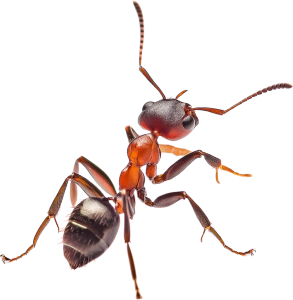
Knowing what you are dealing with makes getting rid of fire ants much easier. Most infestations in the U.S. involve red imported fire ants (RIFA). These ants are reddish-brown, about 1⁄8 to 1⁄4 inch long, and very aggressive when disturbed.
How to Identify Fire Ants in Your Yard:
- Their Color: Reddish-brown to dark brown ants, sometimes mixed with black.
- Their Behavior: When their mound, also known as an ant hill, is disturbed, thousands of ants rush out aggressively.
- Seasonality: More active in warm months, especially spring and summer after rain.
Identification of Fire Ant Mound:
- Dome-shaped, fluffy soil mounds
- Usually found in lawns, open areas, near sidewalks, and around tree bases
- No open center hole like regular ant hills
These mounds can reach depths of up to 25 feet underground. That’s why you can’t get rid of fire ant mounds with just pouring some hot water and vinegar.
Why Fire Ant Home Remedies Don’t Work
It’s tempting to try home remedies to get rid of fire ants. But most don’t reach deep enough to eliminate the queen. Without killing the queen, the colony survives and usually grows back even stronger.
Here’s why they fail:
- Hot water kills surface ants but rarely reaches underground tunnels
- Vinegar, baking soda, or coffee grounds don’t penetrate deep enough
- These methods may cause colonies to split and relocate, worsening the infestation
So, while a home remedy to get rid of fire ants may seem easy, it seldom works for long-term control. Don’t be confused when it comes to effective vs ineffective treatments for fire ants. Read the next section to know better!

How to Get Rid of Fire Ants Forever: Effective Ways
Here are the top proven methods to get rid of fire ants. They are for you if you need an effective long-term fix.
Fire Ant Baits: Best Long-Term Control
Using ant baits is considered the best way to get rid of fire ants in yards and homes. It is also the most effective way to permanently eliminate the colony.
- Ants carry the bait into their tunnels and feed it to the queen
- The bait takes 1-3 weeks to fully wipe out the colony
- It works best in warm, dry weather, when ants are actively foraging
The best fire ant baits have multiple active ingredients, including spinosad, hydramethylnon, or indoxacarb.
Direct Mound Treatment
An effective liquid/mound drench insecticide is the best way to get rid of fire ant hills when you know exactly where the mound is.
- Liquid insecticides and mound drenches target deep tunnels
- It can kill queens and brood effectively
Remember, you must use eco-friendly options if pets and children play nearby. Also, never apply without gloves and always follow label instructions.
Broadcast Treatment for Large Yards
If your lawn has multiple mounds, this method helps to kill fire ants in the yard on a wider level.
- Spread bait across the entire yard, not just one mound
- Works as a two-step method: bait first, mound treatment next
This method slowly eliminates all colonies on your property. Broadcasting especially works great to get rid of fire ants in gardens, pastures, and large open spaces.
Boiling Water: Quick But Temporary Fix
Pouring boiled water on the ants or on their mound is undoubtedly a fast DIY solution, but not a permanent one.
- Works for small, visible mounds
- Only kills a portion of the colony, often misses the queen
- Can damage your lawn and is risky to use near kids or pets
Remember, it’s just a temporary quick fix to get rid of fire ants in the house.
Professional Pest Control (Best Permanent Solution)
If you have recurring mounds, infestations near your home, or you need to get rid of fire ants permanently, professional treatment is your safest option. Experts use integrated pest management (IPM) strategies, which combine safe chemicals, monitoring, and prevention. Calling pros is certainly one of the best fire ant control methods.
It’s especially helpful when you deal with:
- Multiple active mounds
- Fire ants inside your home
- Sensitive areas like playgrounds or vegetable gardens
Important Safety Precautions and Environmental Concerns
Safe control is just as important as effective control. Therefore, when using treatments to get rid of fire ants in gardens, yards, or homes, keep these critical points in mind:
- Always wear gloves and closed shoes
- Keep pets and children away during treatment
- Don’t apply chemicals near vegetable gardens, ponds, or water bodies
- Store unused baits safely
How to Stop Fire Ants From Coming Back
Once you get rid of fire ants, blocking their return is crucial. Here’s how you can successfully prevent fire ant infestations in the future:
- Keep grass trimmed and soil dry when possible
- Remove wood piles, leaf debris, and unused yard materials
- Seal trash cans, food sources, and outdoor pet bowls
- Inspect your lawn after heavy rain and irrigation
- Use preventive baits during spring and fall (peak infestation season)
Tired of painful stings and stubborn fire ant mounds? Our safe, targeted treatments help eliminate fire ants and protect your lawn long term.
Say goodbye to fire ants and hello to a pest-free home.
How to Get Rid of Fire Ant Bites
How do you get rid of fire ant bites? Quick cleaning, ice, and medication help ease symptoms. Here is a safe and effective step-by-step process to reduce pain:
- Wash the area gently with soap and water.
- Apply a cold compress to reduce swelling.
- Use hydrocortisone cream or an antihistamine for itching.
- Avoid scratching the blisters.
- When to seek medical help? When you notice dizziness, swelling of the lips or throat, or difficulty breathing.
Fire Ants vs Red Ants
Not all red ants in your yard are fire ants, and telling them apart can help you choose the right treatment. Here’s a quick comparison to help you spot the difference.
| Feature | Fire Ants | Red Ants |
| Color | Reddish-brown | Bright red or orange |
| Attitude | They are the fiery ones | Less aggressive |
| Nest-building | Fire ants build their nests on the ground. | Red ants prefer to relax in trees or make themselves at home in wood heaps, sheds, and buildings constructed of wood. |
| Severity of Sting | Fire ant stings are painful and can cause intense burning and blisters. They pose a greater medical risk. | There is some mild irritation. |
| Behavior | Aggressive, swarms when disturbed | Less aggressive |
| Defence mechanism | Bite but mildly | Swarm & attack |
| Habitat | Lawns, gardens, and electrical equipment | Dry soil, wood debris |
| Size | Small | Large |