
Key Takeaways
- Not all small brown insects are bed bugs. Many bugs that look like bed bugs can easily be mistaken for them.
- Bed bugs have clear signs like a flat oval body, reddish-brown color, no wings, and activity near sleeping areas.
- Several insects that look like bed bugs, such as carpet beetles and booklice, do not bite or feed on blood.
- Behavior helps identify the pest. Fleas jump, ticks attach to skin, and cockroach nymphs stay near food sources.
- Correct identification is important because treating the wrong pest can waste time and allow the real infestation to grow.
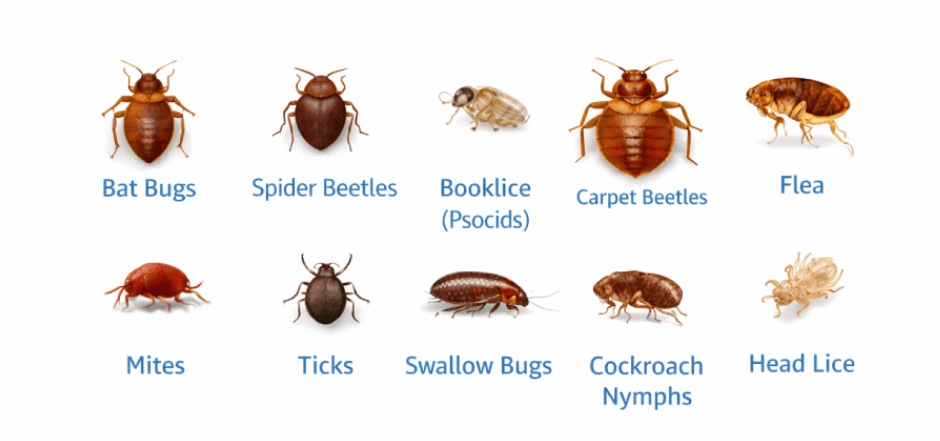
Many bugs look like bed bugs, such as bat bugs, spider beetles, booklice, and more! It’s easy to mix them up. That confusion often leads to panic or the wrong treatment. This guide mentions the top ten bugs that look like a bed bug, so that you can look closely and figure out what you’re actually dealing with.
How to Spot Bugs That Look Like Bed Bugs But Aren’t?
Before you assume the worst, take a moment to check a few clear signs. Most insects that look like bed bugs miss at least one of these traits.
Key Signs That Confirm Bed Bugs
- Flat, oval-shaped body that looks slightly swollen after feeding
- Reddish-brown color, not patterned or shiny
- No wings at any stage
- Found close to sleeping areas, like mattresses and bed frames
- Bite humans, mostly at night while you sleep
- Leave blood spots and dark fecal stains on bedding
If most of these match, you are likely dealing with bed bugs, not just other small bugs that look like bed bugs.
10 Bugs That Look Like Bed Bugs
Many bed bug look-alikes share a similar size or color. That’s why they get confused so often. Let’s break down the most common ones.
1. Bat Bugs
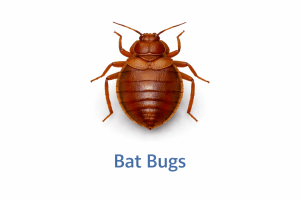 Bat bugs are one of the closest matches to bed bugs in both shape and color.
- Size: Around 4-6 mm long, very close to adult bed bugs.
- Appearance: Flat, oval, reddish-brown, almost identical at first glance.
- Habits: Feed on bat blood but may bite humans if bats are not around.
- Found: Attics, wall voids, and areas where bats nest.
- Region: Common across North America.
- Key Distinction: Bat bugs are tied to bat activity. They have longer body hairs than bed bugs.
2. Spider Beetles
Spider beetles are often mistaken for beetles that look like bed bugs because of their color.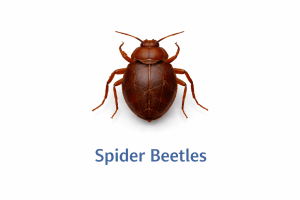
- Size: About 1.5-3.5 mm, smaller than bed bugs.
- Appearance: Round, shiny body with long legs, almost spider-like.
- Habits: Feed on stored food and organic debris.
- Found: Kitchens, pantries, and storage areas.
- Region: Found worldwide.
- Key Distinction: Their round body and long legs make them look very different on closer inspection.
3. Booklice (Psocids)
These are small insects that look like bed bugs, especially in humid homes.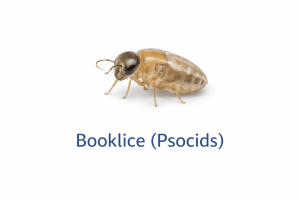
- Size: About 1-2 mm.
- Appearance: Pale, soft-bodied, slightly elongated.
- Habits: Feed on mold and mildew.
- Found: Damp spaces like bathrooms and basements.
- Region: Common in humid climates.
- Key Distinction: Strong link to moisture, not people or beds like the bed bugs.
4. Carpet Beetles
Carpet Beetles are among the most commonly mistaken carpet beetle bugs that look like bed bugs.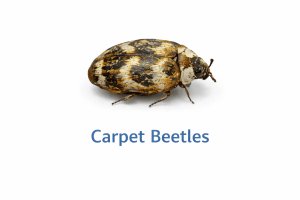
- Size: Around 2-4 mm.
- Appearance: Oval with patterned shells, often spotted.
- Habits: Feed on fabrics like wool and silk.
- Found: Carpets, closets, upholstery.
- Region: Common across the U.S.
- Key Distinction: They don’t bite. Early signs of carpet beetles usually include holes in fabric, not bites.
5. Fleas
Fleas are classic flea bugs that look like bed bugs, mainly because of bite confusion.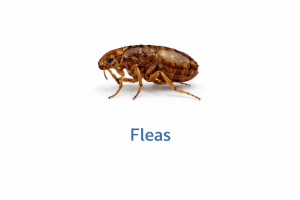
- Size: About 1.5-3 mm.
- Appearance: Dark brown, narrow body with strong legs.
- Habits: Feed on blood, often from pets.
- Found: Carpets, pet bedding, and fleas in bed situations.
- Region: Found worldwide.
- Key Distinction: Fleas jump. Bed bugs don’t. If you want to get rid of fleas in the house, focus on pets and floors.
Not sure which one you are dealing with? Learn the key differences between fleas and bed bugs in our detailed guide.
6. Mites
Mites are often blamed when people notice irritation without seeing clear bugs.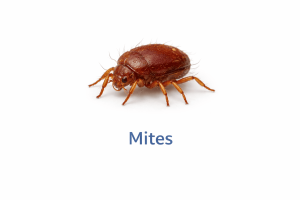
- Size: Less than 1 mm, almost invisible.
- Appearance: Tiny, pale, hard to see without magnification.
- Habits: Feed on skin cells or organic material.
- Found: Bedding, carpets, upholstery.
- Region: Can be anywhere.
- Key Distinction: Much smaller than bed bugs and rarely visible.
7. Ticks
Ticks are another group of flat bugs that look like bed bugs, especially before feeding.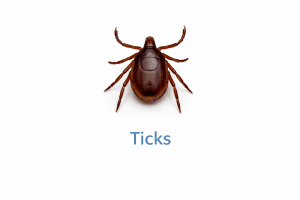
- Size: Around 2-5 mm before feeding.
- Appearance: Flat and oval, swelling after feeding.
- Habits: Attach to skin and feed on blood.
- Found: Outdoors, but can enter homes via pets.
- Region: Common in grassy and wooded areas.
- Key Distinction: Ticks latch onto skin. Bed bugs don’t stay attached. Learning how to get rid of ticks is important if pets are involved.
8. Swallow Bugs
These are very close relatives of bed bugs and are often confused with them.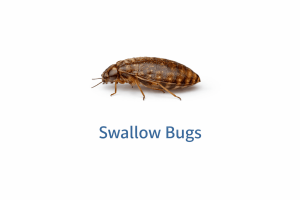
- Size: About 4-7 mm.
- Appearance: Nearly identical to bed bugs.
- Habits: Feed on birds.
- Found: Near nests, roofs, and attics.
- Region: Areas with bird activity.
- Key Distinction: Linked to birds, not human sleeping spaces.
9. Cockroach Nymphs
Young roaches are often mistaken for black bugs that look like bed bugs.
- Size: Around 2-5 mm.
- Appearance: Brown, oval, slightly shiny.
- Habits: Feed on food waste.
- Found: Kitchens, bathrooms, damp areas.
- Region: Worldwide.
- Key Distinction: Move faster and prefer food areas, not beds.
10. Head Lice
Head lice are sometimes confused due to size, but they behave very differently.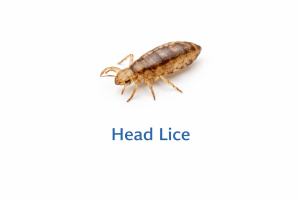
- Size: About 1-3 mm.
- Appearance: Tiny, wingless, grayish.
- Habits: Live on the scalp and feed on blood.
- Found: Human hair.
- Region: Common worldwide.
- Key Distinction: Stay on the body, not furniture.
Quick Comparison: Bed Bugs vs Common Look-Alikes
Here is a comparison table including bed bugs & 10 bugs that look like bed bugs to make your life easier:
| Pest | Bite Humans | Found Near Beds | Wings | Main Diet |
| Bed Bugs | Yes | Yes | No | Blood |
| Bat Bugs | Sometimes | Rare | No | Bat blood |
| Spider Beetles | No | No | Yes | Stored food |
| Booklice (Psocids) | No | Rare | No | Mold, mildew |
| Carpet Beetles | No | Rare | Yes | Fabrics |
| Fleas | Yes | Sometimes | No | Blood |
| Mites | Sometimes | Sometimes | No | Skin cells/organic matter |
| Ticks | Yes | Outdoors | No | Blood |
| Swallow Bugs | Sometimes | Rare | No | Bird blood |
| Cockroach Nymphs | No | No | No | Organic waste |
| Head Lice | Yes | No | No | Blood |
Why is it Crucial to Correctly Identify the Pest?
Getting this wrong can waste a lot of time because bed bugs need targeted treatment. Many other bugs that look like bed bugs don’t. So, if you misidentify the pest, you may treat the wrong problem while the real one continues to spread.
When to Call a Pest Control Professional
If you keep seeing bugs near your bed or notice repeated bites-especially in homes across Tracy, Livermore, Pleasanton, or the surrounding Tri-Valley region-it’s best to get a proper inspection. A professional can accurately identify whether you’re dealing with bugs that look like bed bugs or an actual bed bug infestation. With local experience, they understand how these pests behave in Tri-Valley homes and can eliminate them early before the problem spreads.
To conclude, many other insects look like bed bugs, and most of them are harmless or easier to treat. The key is not to rely on appearance alone—consider their behavior, hiding spots, and signs. And if something still feels off, getting expert help in the Tri-Valley area can save you a lot of stress and prevent a larger infestation.