Take Care Termite & Pest Control

Warehouse & Logistics Pest Control

Warehouse & Logistics Pest Control to Protect Your Business

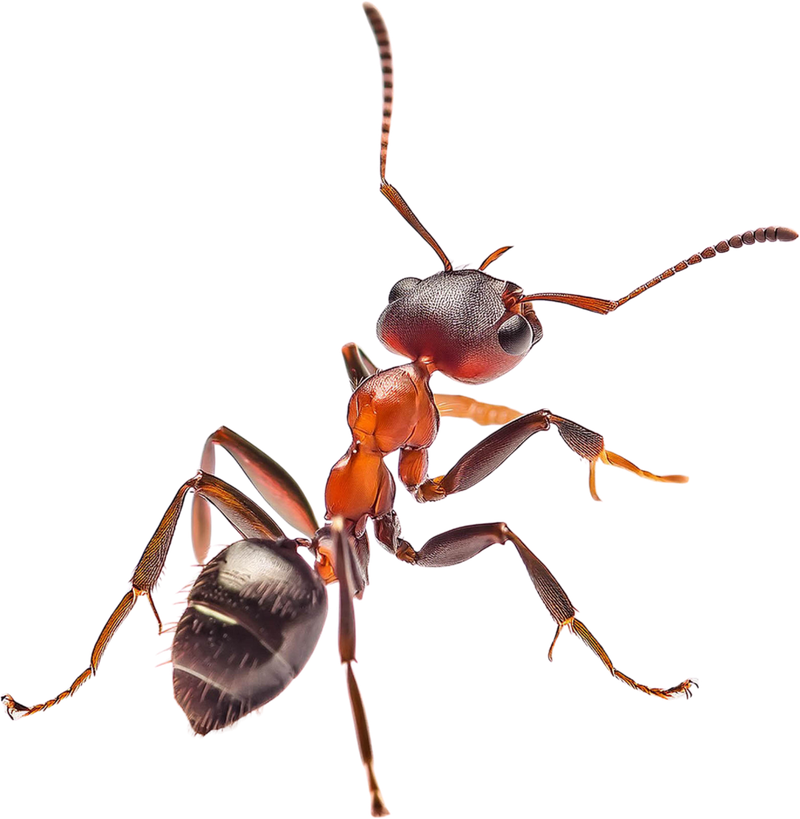
In California’s Central Valley, warehouse and logistics facilities face constant pest pressure from vehicle traffic, multiple entry points, open doors, dense product storage and the nonstop pace of operations. Our Integrated Pest Management (IPM) approach is designed for facilities leaders who are looking for a proactive, compliant solution. We deliver a customized program that controls rodents, cockroaches, ants, flies, and other pests before they disrupt operations, damage inventory and create product safety concerns. Through expert inspections, ongoing monitoring, exclusion and targeted treatments, we help protect your facility so you can keep your business moving.

The consequences of a pest infestation in the warehouse and logistics industry include:

  • Damage to your property and increased cost due to delayed treatments.
  • Revenue losses because of termination of contracts.
  • Fines and getting shut down because of non-compliance with the regulatory laws.
  • Losing the trust of your customers.
  • Customer complaints
  • Risk of diseases, bacteria, viruses, and other pathogens.
  • Loss and destruction of your stored goods.
  • Risk of damage caused by Rodents to your equipment or property.
Request a Quote

Professional Warehouse & Logistics Pest Control

Warehouse Pest Control

Monitoring and Tracking

Our Warehouse Pest Control Procedure

Warehouse Pest Inspection

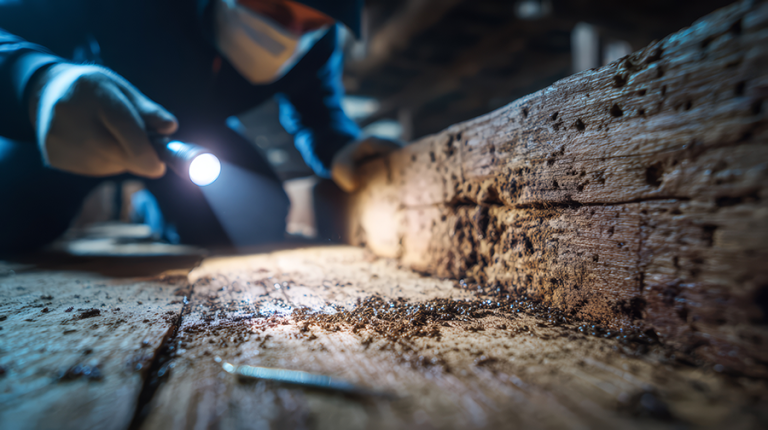
  • A warehouse pest inspection is a normal process that needs to be carried out on a warehouse in order to monitor its condition. Warehouse pest inspections are of different types and instances where the owner or manager wants to check for pests. A warehouse pest inspection should be done in order to help prevent any unwanted pests from entering your facility.

Warehouse Pest Exclusion

  • There are many ways from which pests can enter your warehouse. The most common pathways include cracks in walls, gaps at doors, and plumbing protrusions. We aim to identify and give fixes for these problems so the pests cannot enter your warehouse.

Warehouse Pest Treatment

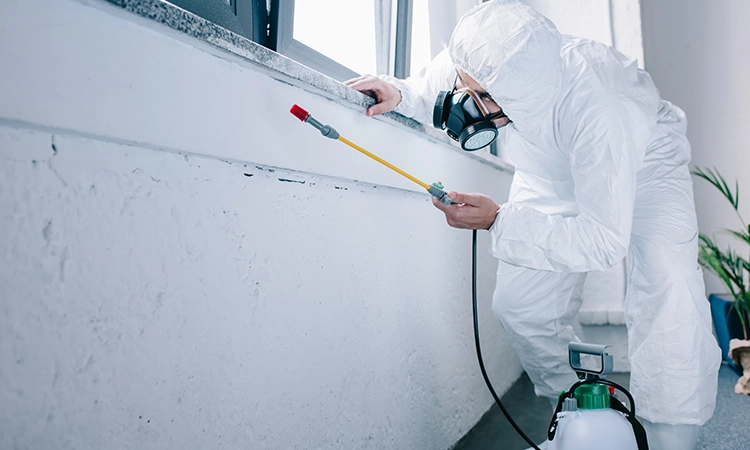
  • Some common pests found in warehouses include ants, cockroaches, and mice. Pests can cause damage to a business’s bottom line by damaging stored goods, reducing employees’ productivity, and creating an unsafe work environment. It’s difficult to determine what types of pests are causing your issues. To prevent their spread, pest control treatments or trapping is needed in warehouses.

Monitoring and Tracking

  • Monitoring and tracking pest activity is important in every warehouse. It allows you to keep an eye on pest activity and is also how you find out how they are getting inside the building, how many there are, areas you need to control or eliminate, and if there were any shifts in behavior following a move of product.

Common Pests in Warehousing and Logistics

Cockroaches

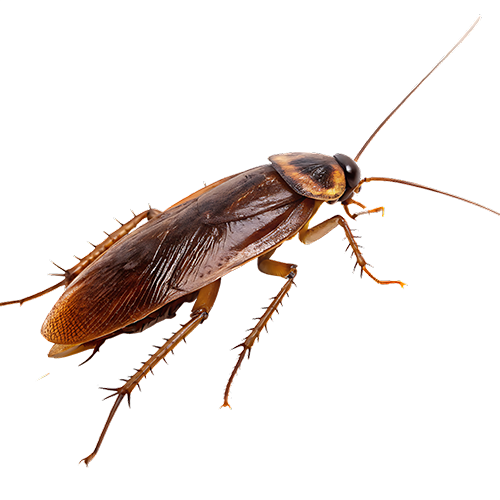
Cockroaches are common in warehouses and other high-traffic places. They thrive in these areas because they have access to food, water and harborage in cardboard, all of which can be found easily in warehouses. They can do damage to your food and perishables. 

Birds

Birds may not bite or sting, but their nesting and roosting can create serious problems for your property. Bird droppings can cause slip-and-fall hazards, spread harmful diseases, contribute to respiratory issues, and damage paint and other surfaces. Our trained professionals provide effective bird control and exclusion services to safely remove existing bird activity and help prevent future problems.

Flies

Flies can be challenging to control and are more than just a nuisance. They can carry and spread bacteria by contaminating food and surfaces in warehouses, shipping centers, and other commercial facilities. Effective fly control helps protect your employees, products, and work environment.

Rodents

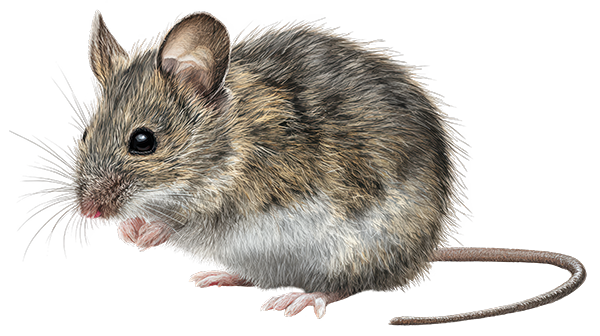
Rodents are animals that live in the wild. But they also cause damage to warehousing and logistics facilities. Rodents enter your warehouses through openings and holes in walls, floors, and ceilings. They chew through packaging materials, create waste, contaminate food, spread diseases, and increase the risk of employees coming into contact with diseases that rats can carry.

Moths

Moths and their larva can ruin many things in the warehouse. A common term for this type of insect is a clothes moths. But what damage will it cause? More specifically, what damage can they do, and how can you prevent that? Their larvae eat cloth and some other types of fabrics, including wool, cotton, and silk (which they will take as food).

Common Beetles

Common beetles are small insects that can be found in warehouses and other places where food or supplies are stored or transported. These beetles are often referred to as pantry pests because they like to eat things like cereal, flour, rice, and similar grains. The damage caused by common beetles can be fairly substantial depending on how much food they eat and how long they have been around.

Pest Prevention for Warehousing and Logistics Facilities

Perfect Your Stock Rotation System

When you have a first-in, first-out stock rotation system, your stock doesn’t sit untouched in the same place for long enough, allowing you to minimize the risk of pests.

Organization Is Everything

Disorganized warehouse inventory can create ideal hiding places for pests, allowing infestations to go unnoticed. Rodents, cockroaches, and other pests can easily shelter among stored products and packaging, potentially contaminating inventory and spreading harmful bacteria. Maintaining a clean, organized warehouse and implementing a proactive pest management program are key to protecting your products and facility.

Make Adjustments to How Pests Travel

You can’t always prevent pests from entering your facility, but you can take steps to reduce their impact on your business.

To build a pest-free supply chain, you need to keep pests out of your facility and stop them from getting in the first place. Here are some tips for preventing pests:

  • Keep doors closed. Use latching or sliding doors with self-closing devices on both sides and keep them closed at all times.
  • Seal off all holes and cracks. Make sure that any openings in walls or ceilings are covered with sheetrock, drywall, or plywood. Close off any doorways that lead into crawl spaces or attic spaces where pests could enter through the ceiling tiles or rafters above them.
  • Use exclusionary treatment. Invest in exclusionary products such as window screens and fly traps or other types of deterrents that will keep bugs and rodents from getting inside a building.

Learn to Identify Signs of Pests

When it comes to preventing pests, the best thing you can do is learn to detect signs of them before they become a problem. That’s why pest prevention experts have developed a number of methods for detecting pests and insects in warehousing and logistics facilities.

The first step is to learn how to identify the signs of pests. This includes seeing any visible signs of an infestation, as well as learning what types of pests could be present in your facility. You should also consider looking for signs that indicate whether there’s been an infestation in the past, such as droppings or damage to equipment.

Partner with Your Pest Management Provider

Your pest management provider is there to help you manage your pest risks and provide a wide range of services to meet the needs of your warehouse or logistics facility.

Here are some things you may need from your pest management provider:

  • Pest prevention services, including training for staff and preventative treatment programs
  • Services, such as traps and bait stations for rodents and other pests
  • Exclusion services, such as sealing gaps and holes. Netting or other barriers.

The first step is to learn how to identify the signs of pests. This includes seeing any visible signs of an infestation, as well as learning what types of pests could be present in your facility. You should also consider looking for signs that indicate whether there’s been an infestation in the past, such as droppings or damage to equipment.

Ensuring that the roof is tightly sealed and leak-proof, doors close fully and tightly.

Warehousing and logistics facilities are required to be very clean. Not only is this essential for the health of the warehouse staff, but it also helps to reduce the risk of disease transmission.

If your facility has a roof, then you should ensure that it is tightly sealed and leak-proof. If possible, you should install rubber gaskets on all joints and seams where water can enter.

Doors should fit tightly and be properly sealed to prevent the entry of pests, as well as rain and dust. Windows should be kept in good condition, free of cracks, gaps, or damage. Maintaining a secure building exterior is one of the most effective ways to reduce the risk of pests entering your warehouse.

Doing routine maintenance

Regular maintenance of plumbing and air conditioning systems helps prevent leaks and excess moisture in your warehouse. By eliminating standing water and moisture sources, you reduce the availability of water that pests need to survive, making your facility less attractive for feeding, nesting, and breeding.

Cleaning your warehouse

Good sanitation is one of the most effective ways to prevent pest infestations. Promptly cleaning up spilled products, properly storing materials, and maintaining strict control over employee food waste helps eliminate food sources that attract rodents, cockroaches, ants, and other pests. A proactive pest prevention program that includes regular inspections, sanitation practices, monitoring devices, and professional pest management services can help identify and address potential issues before they impact your inventory, operations, or reputation.

If you are looking for solutions for the pest control problems in your warehouse, Take Care Termite and Pest Control can help you to solve them. Get in touch with us today to schedule a visit.

Termite Inspector

Get Your Property Inspected

Protect your property and avoid the expenses of potential damage with a thorough termite inspection.

Request a Quote

Ask for a Service Quote

    Call for Fast Service

    Apartment Pest Control

    Frequently Asked Questions

    $50 off

    An Annual Pest Control Service Agreement

    Offer valid for new service agreements only. Cannot be combined with any other offer. Other restrictions may apply.

    What is IPM?

    Integrated Pest Management or IPM, is a strategic pest control approach built on prevention first. It combines inspection, monitoring, sanitation, exclusion, reporting and targeted treatment to reduce pest activity while minimizing unnecessary product usage. For warehouses and logistics operations, IPM supports operational efficiency, compliance and long-term pest prevention.

    Warehouses and logistics facilities face unique pest control challenges due to frequent deliveries, open doors, vehicle activity and large storage areas. In the Central Valley, seasonal heat and surrounding agricultural can also play a role with increased activity from rodents, cockroaches, ants, flies and stored product pests. A preventive approach like IPM helps stop infestations before they disrupt operations or damage inventory.

    Yes, Take Care Termite & Pest Control provides thorough documentation to support IPM programs and warehouse or logistics compliance requirements. This may include inspection reports, monitoring device logs, sanitation and exclusion recommendations, corrective actions and detailed service records.

    Most warehouses and logistics facilities benefit from recurring monthly pest control service, with service frequency customized based on the products stored, facility conditions and operational activity. Facilities with frequent shipments, open doors, food related products or a history of rodents or cockroaches, may require more frequent inspections and monitoring.

    We Also Offer Pest Related Repair Services

    You don’t need to call a handyman or a repair specialist separately.

    Don’t wait until termite damage goes beyond repair; reach out to our expert technicians today to schedule a termite inspection anywhere in Tracy, Tri-Valley, Central Valley, and surrounding areas.