
Why Is September Wasp Season in California?
If you have noticed more wasps flying around your yard, patio, roofline, or outdoor living spaces in August-September, you are not alone. For many California homeowners, late summer is when wasp activity becomes more noticeable — and often more concerning.
August to September is considered peak wasp season because colonies are reaching their largest size, food sources are changing, and wasps are becoming more aggressive while protecting their nests. A small nest that went unnoticed earlier in the summer can quickly become a major outdoor nuisance by late summer.
Wasps are not just an annoyance. Their stings can be painful and may cause serious allergic reactions for some people. They can also make it difficult to enjoy outdoor activities, maintain your property, or safely complete yard work.
Understanding why wasps become more active in August to September can help homeowners recognize warning signs early and take action before a small problem becomes a larger infestation.
At Take Care Termite, we help California homeowners identify and manage pest problems before they threaten their homes and families. Knowing what attracts wasps, where they build nests, and when to call professionals can make a significant difference in protecting your property.
Why Is August to September Wasp Season?
Wasp Colonies Reach Their Peak Size
During spring and early summer, wasp colonies begin developing as queens establish nests and workers expand the colony. By August to September, many colonies have grown significantly, with hundreds or even thousands of wasps actively working around the nest.
A nest that was barely noticeable a few months earlier may now be large enough to support increased wasp activity around your home.
During this period, homeowners often notice:
- More wasps flying around outdoor areas
- Increased activity near garbage cans or food sources
- Wasps entering cracks, vents, or roof spaces
- More aggressive behavior near nests
Because colonies are larger, disturbing a nest in August can result in multiple wasps defending the area
Summer Heat Changes Wasp Behavior
California’s warm August temperatures create ideal conditions for wasp activity. Like many insects, wasps are more active during warmer months because they can move, hunt, and reproduce more efficiently.
Hot weather can also push wasps closer to homes as they search for:
- Water sources
- Shade
- Food
- Protected areas for nesting
Homeowners may find wasps around:
- Eaves and roof edges
- Attics
- Wall voids
- Garages
- Sheds
- Outdoor furniture
- Trees and shrubs
Keeping an eye on these areas during late summer can help you catch problems before they grow.
What Attracts Wasps to Your Property in California?
Understanding what attracts wasps is one of the best ways to reduce activity around your home. While wasps play an important role in controlling other insects, they can become problematic when they establish nests near people.
Food Sources
Wasps are attracted to both sweet and protein-based foods. During August, natural food sources may become less available, causing them to search more aggressively around homes.
Common attractants include:
- Open trash cans
- Fallen fruit from trees
- Sugary drinks
- Outdoor meals
- Pet food left outside
- Compost bins
A backyard barbecue, picnic area, or uncovered garbage container can quickly become a feeding location for wasps.
Prevention Tip:
Keep food covered when eating outdoors and clean spills immediately. Secure trash cans with tight-fitting lids and regularly remove food waste.
Check Water Sources Around Your Home
During hot California summers, wasps need water to survive and maintain their nests.
Common water sources include:
- Birdbaths
- Irrigation leaks
- Swimming pools
- Pet water bowls
- Outdoor faucets
- Standing water around the yard
Reducing unnecessary moisture around your property can make your home less attractive to wasps.
Common Types of Wasps Found in California Homes
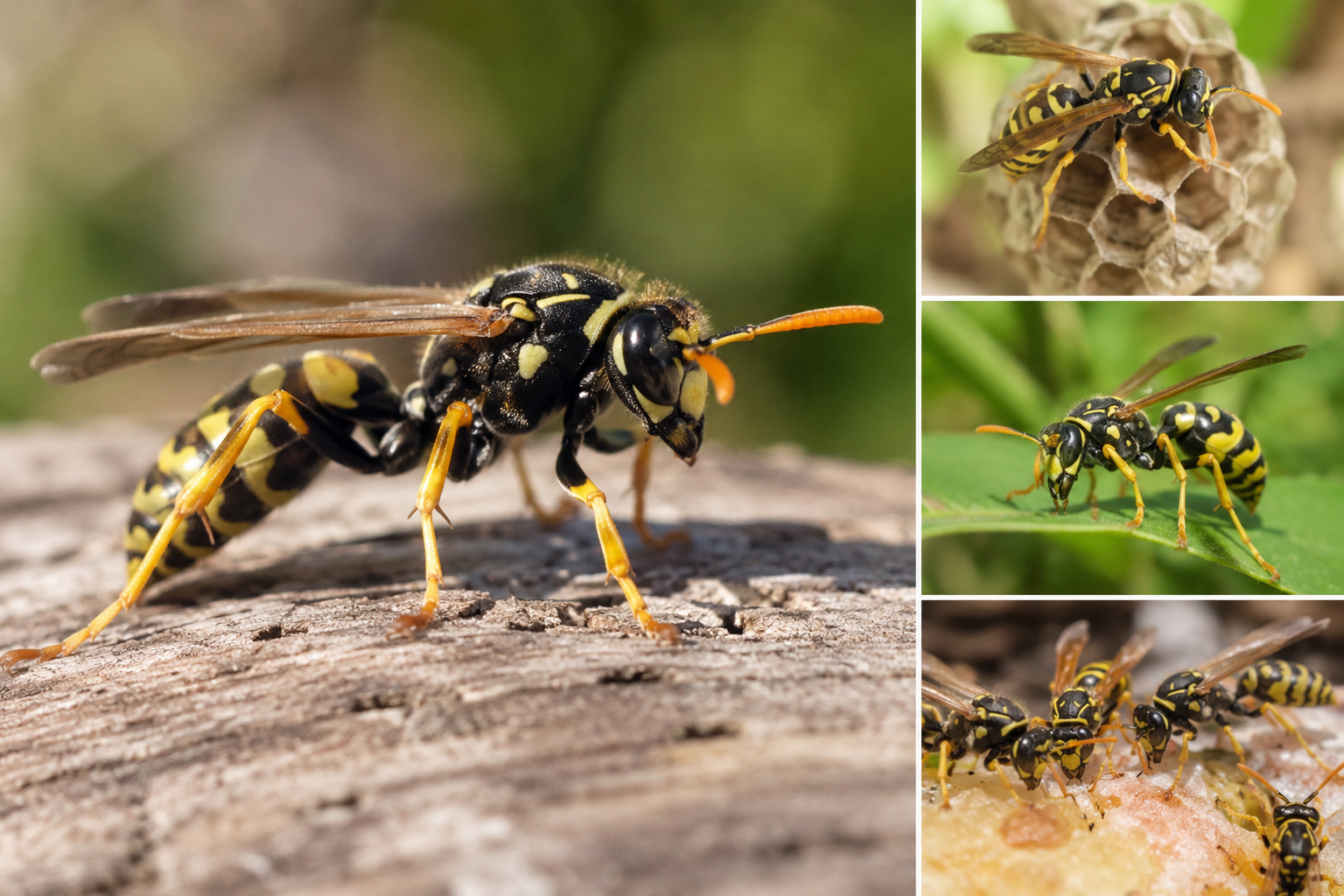
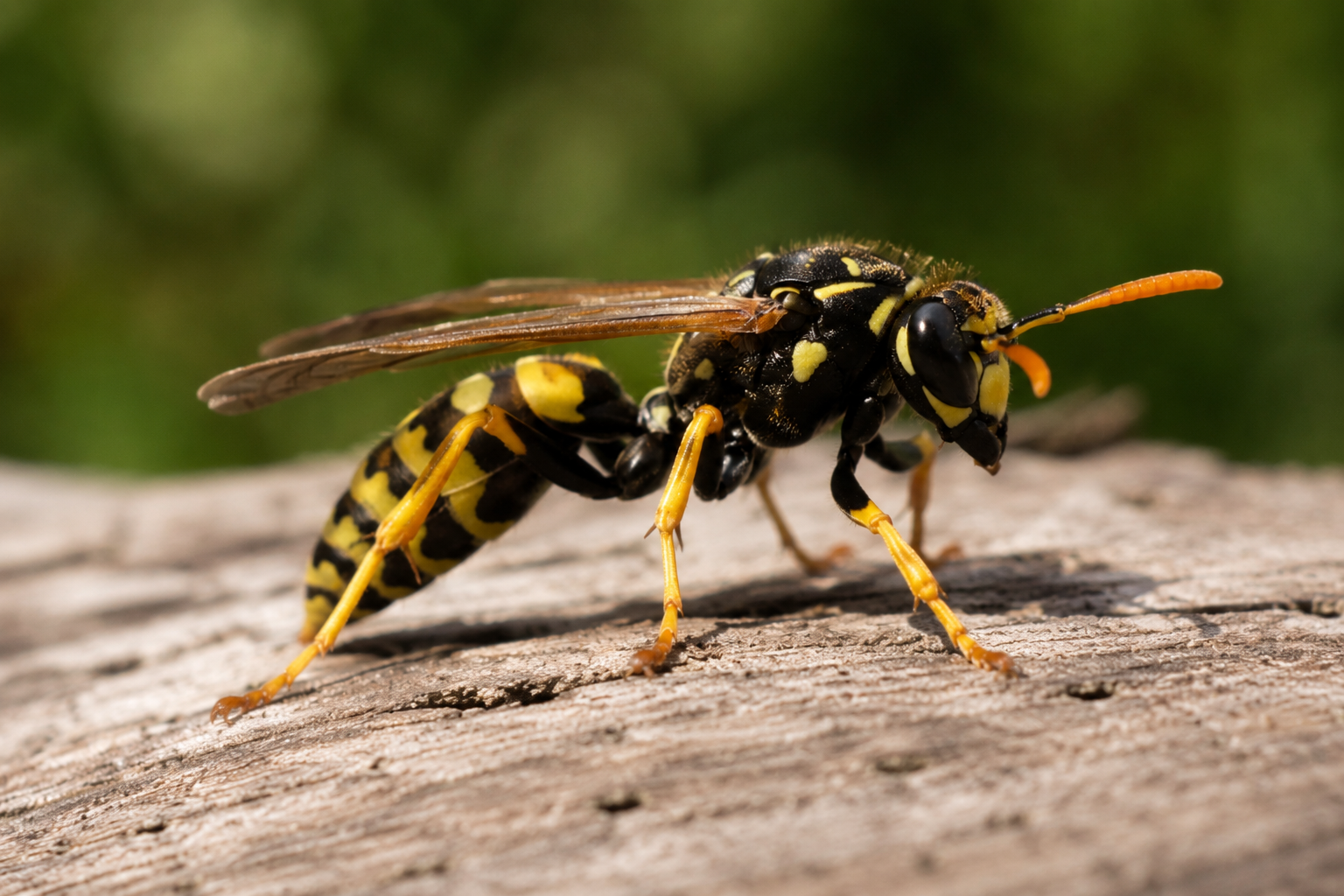
California homeowners may encounter several types of wasps. Knowing the difference can help determine the best approach for prevention and control.
Paper Wasps
Paper wasps are commonly found around homes and are known for their umbrella-shaped nests. They often build nests under:
- Roof overhangs
- Porch ceilings
- Eaves
- Deck structures
Although paper wasps are generally less aggressive than some other species, they will defend their nests if threatened.
Yellowjackets
Yellowjackets are among the most concerning wasps for homeowners because they can become highly defensive, especially near their nests.
They are often found near:
- Garbage areas
- Outdoor dining spaces
- Underground nests
- Wall cavities
Unlike many other wasps, yellowjackets may repeatedly sting when they feel threatened.
Mud Daubers
Mud daubers build distinctive mud nests on structures such as:
- Walls
- Garages
- Barns
- Outdoor buildings
They are generally solitary and less aggressive, but their nests can still indicate conditions that attract wasps and other pests.
Signs You May Have a Wasp Nest Near Your Home this Wasp Season
Many homeowners do not notice a wasp problem until activity becomes obvious. Learning the warning signs can help you respond early.
Increased Wasp Activity
One or two wasps occasionally passing through your yard may not indicate a nest. However, repeated activity in the same area could mean a colony is nearby.
Look for:
- Wasps consistently entering and leaving one location
- Increased flying activity around rooflines or trees
- Wasps gathering around cracks or openings
Visible Nest Structures
Depending on the species, wasp nests may appear as:
- Gray paper-like structures under eaves
- Mud tubes attached to walls
- Large enclosed nests in trees or shrubs
- Hidden nests inside walls or underground
Avoid approaching or touching a nest, especially during August when colonies are typically at their strongest.
Unusual Wasp Behavior
Wasps may become more noticeable when:
- Outdoor food attracts them
- The nest is disturbed
- The colony feels threatened
- Natural food sources decrease
Aggressive behavior near a specific area is often a sign that a nest is nearby.
How Homeowners in California Can Prevent Wasp Problems This Wasp Season
While wasps are a natural part of the ecosystem, homeowners can take several steps to reduce the chances of an infestation around their property.
The goal isn’t always to eliminate every wasp in the area, but to prevent colonies from building nests close to your home, family, and outdoor spaces.
-
Inspect Your Home Regularly
One of the best ways to prevent wasp problems is through routine inspections. Wasps often choose quiet, protected areas that homeowners rarely check.
Inspect areas such as:
- Roof edges and eaves
- Attic openings
- Garages and sheds
- Outdoor storage areas
- Fence corners
- Porch ceilings
- Wall cracks and gaps
Early detection makes it easier to address a nest before it grows larger.
-
Seal Entry Points Around Your Home
Wasps can enter surprisingly small openings when searching for protected nesting locations.
Check your property for:
- Cracks in exterior walls
- Gaps around windows and doors
- Damaged screens
- Open vents
- Spaces around utility lines
Use weather-resistant sealants or repairs to close these entry points.
Preventing access is especially important because some wasp species may build nests inside wall cavities, where removal becomes more complicated.
-
Keep Outdoor Areas Clean
A clean outdoor environment reduces the food sources that attract wasps.
Homeowners should:
- Clean outdoor dining areas after meals
- Remove fallen fruit from trees
- Keep garbage containers closed
- Rinse recyclable containers before disposal
- Avoid leaving sugary drinks outdoors
Even small amounts of food residue can attract wasps searching for easy meals.
-
Maintain Your Yard
Your landscaping can influence wasp activity around your home.
Helpful maintenance practices include:
- Trimming overgrown shrubs
- Removing abandoned nests when safe
- Keeping tree branches away from structures
- Reducing clutter around patios and sheds
Dense vegetation and unused outdoor items can provide ideal hiding and nesting locations.
Should You Remove a Wasp Nest Yourself?
Many homeowners consider DIY wasp nest removal after noticing increased activity. While some small nests may appear manageable, removing wasps can be risky — especially during August.
Peak season means colonies are larger and more protective of their nests.
DIY removal can lead to:
- Multiple wasp stings
- Incomplete nest removal
- Wasps relocating to another area
- Increased aggression from the colony
Store-bought sprays may kill visible wasps but often do not address hidden nests or the source of the infestation.
For nests near living areas, entry points, or high-traffic spaces, professional assistance is usually the safer option.
When Should You Call a Professional Wasp Control Expert this Wasp Season?
Knowing when to contact a pest control professional can help prevent injuries and reduce property risks.
Consider professional wasp control if:
The Nest Is Near Your Home
Nests located near:
- Doors
- Windows
- Play areas
- Patios
- Outdoor entertainment spaces
create a higher risk because people and pets may accidentally disturb the colony.
You Notice Increasing Wasp Activity this Wasp Season
A growing number of wasps around your property often means the colony is expanding.
Professional inspection can help determine:
- Where the nest is located
- What species is present
- The safest removal method
- How to prevent future activity
Someone in Your Household Has Allergies
For individuals with insect sting allergies, even a single sting can become a serious concern.
If anyone in your household has experienced severe reactions to insect stings, avoiding DIY nest removal is especially important.
Why Does Professional Wasp Control in California This Wasp Season Provide Better Protection?
Professional pest control technicians have the training, equipment, and knowledge needed to safely manage wasp problems.
A professional approach typically includes:
Proper Identification
Different wasp species behave differently. Identifying the species helps determine the most effective treatment strategy.
Safe Nest Management
Professionals understand wasp behavior and can approach nests using appropriate safety measures.
Long-Term Prevention
Effective pest control focuses not only on removing current problems but also reducing the conditions that attract future infestations.
At Take Care Termite, homeowners can receive expert guidance for identifying pest concerns and protecting their properties from unwanted invaders.
Frequently Asked Questions About September as Wasp Season in California
Why are wasps worse in August to September?
Wasps are often more noticeable in August because colonies have reached their largest size. Warm weather, reduced food availability, and increased colony activity cause wasps to search more aggressively for food and nesting resources.
Are wasps more aggressive in late summer?
Yes. While wasps are not naturally aggressive toward people, they become more defensive when protecting mature nests. Late summer is when colonies are larger, making encounters more likely.
How do I know if I have a wasp nest?
Signs of a wasp nest include repeated wasp activity in one location, visible nest structures, and wasps entering and leaving cracks, roof areas, trees, or outdoor structures.
What attracts wasps to my yard?
Wasps are attracted to food sources such as sugary drinks, fruit, garbage, pet food, and outdoor meals. They also seek water and sheltered areas for nesting.
Can I remove a wasp nest myself?
Small, easily accessible nests may seem manageable, but wasp removal can be dangerous. Larger colonies, nests near homes, and aggressive species should be handled by trained pest control professionals.
How can I prevent wasps from nesting near my house this Wasp Season in California?
You can reduce wasp activity by sealing cracks, keeping outdoor areas clean, managing garbage properly, removing standing water, and regularly inspecting potential nesting areas.
Protect Your Home Before Wasp Activity Gets Worse This August to September Wasp Season in California
August to September is one of the busiest times of year for wasps, and ignoring early warning signs can allow a small nest to become a larger problem.
Regular inspections, smart prevention habits, and professional support when needed can help keep your family safe while allowing you to enjoy your outdoor spaces.
If you are noticing increased wasp activity, suspicious nests, or concerns around your property, Take Care Termite can help identify the problem and recommend the right solution.
Don’t wait until a wasp colony becomes a safety concern.
Contact Take Care Termite today to schedule a professional inspection and protect your home from wasps this wasp season or other seasonal pest problems.