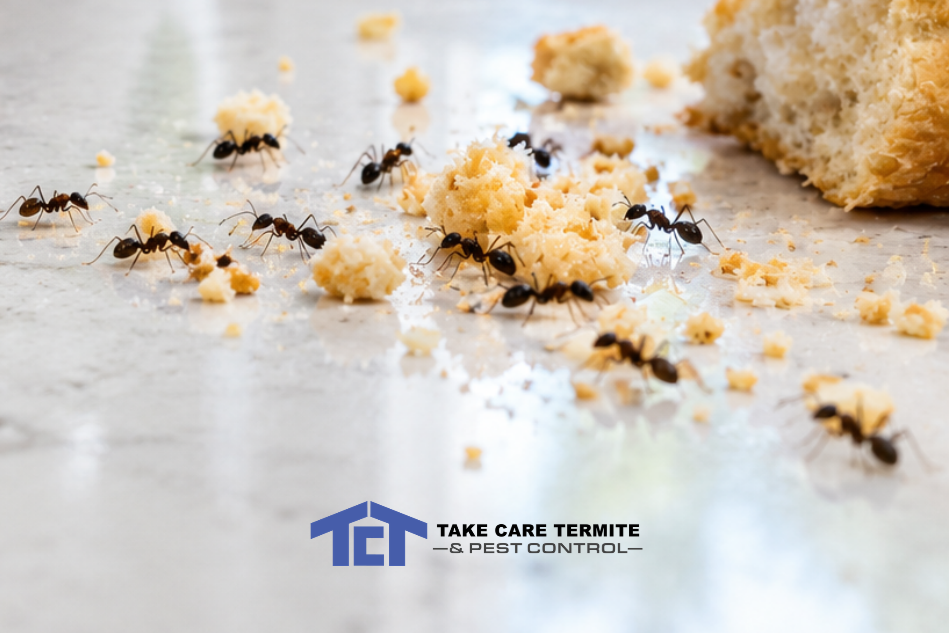
Nine Reasons Ants Are Invading Your Home and How you can Stop Them! You wipe down the kitchen counter, put away your food, and think everything is clean. Then, a few hours later, you notice a line of ants marching toward the pantry.
Sound familiar?
Ants in the house are common pests, and they can show up even in homes that are cleaned regularly. A few crumbs, a small water leak, or a gap around a window may be enough to draw them inside.
The frustrating part is that killing the ants you see doesn’t always solve the problem. More ants may appear because the colony is still active, and the route they use to enter your home remains open.
So, why do ants keep coming back? Where are they coming from? And what can you do to keep them out?
In this guide, we’ll explore nine common reasons ants enter homes, how to identify possible ant activity, and practical steps you can take to prevent an infestation.
Why Are There Ants in My House?
Ants enter homes mainly in search of food, water, and shelter. Some species build nests outdoors and enter buildings to forage, while others may establish nests in wall voids, damp wood, or other protected spaces.
Even small amounts of food can attract foraging ants. Sweet drinks, grease, crumbs, pet food, and food residue around garbage bins can all become targets.
Ant activity may also increase when outdoor conditions change, food sources become less available, or ants discover an easy route indoors.
In California’s Central Valley and Tri-Valley communities, homeowners may encounter different ant species depending on the location, season, moisture levels, and surrounding landscape.
Understanding what attracts ants is the first step toward controlling them.
9 Common Reasons Why Ants Are in the House
1. Food Crumbs Are Easy to Find
- Ants have an excellent ability to locate food. A few crumbs beneath the dining table or a sticky spot near the stove can attract foraging ants.
- Common food sources include:
- Crumbs on kitchen counters and floors.
- Sugar, honey, and sweet drinks.
- Grease and food residue around cooking areas.
- Open snack packages.
- Food scraps in garbage bins.
- Spilled pet food.
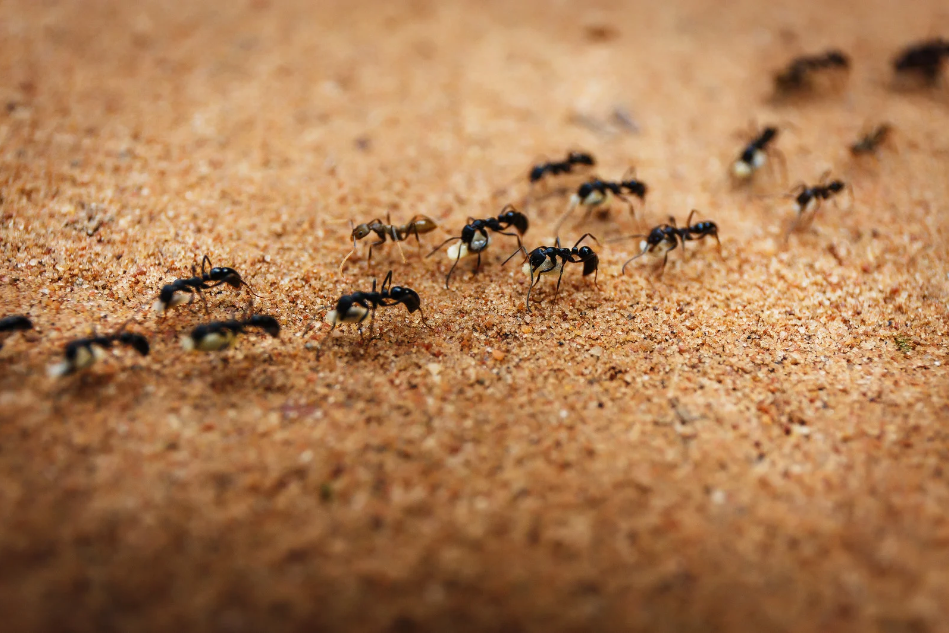
Once an ant finds a suitable food source, it may leave a chemical trail that helps other ants follow the same route. This is one reason you might see only a few ants at first and then notice a much longer trail later.
What you can do: Wipe counters after preparing meals, sweep floors regularly, clean under appliances when practical, and store food in sealed containers. Pay special attention to areas where food is prepared or eaten.
2. Pet Food Is Attracting Ants
Pet food is another common source of food for ants. A bowl left out throughout the day may provide a steady supply, especially if food pieces spill onto the floor. Outdoor pet-feeding stations can attract ants as well.
What you can do: Clean around feeding areas after meals, store pet food in a tightly sealed container, and remove spilled food promptly. If your pet needs food available throughout the day, keep the feeding area clean and monitor it for ant activity.
3. Your Home Has a Water Source
Food isn’t the only reason ants enter a building. Water and moisture can also attract them. Ants may forage near dripping faucets, leaking pipes, damp sponges, condensation, and other moisture sources. Some species may also nest in damp or damaged wood. If ants repeatedly appear near a bathroom, laundry room, kitchen sink, or plumbing fixture, check for moisture problems.
What you can do: Repair leaks, dry wet surfaces, improve ventilation where needed, and address persistent dampness. If you find moisture damage, investigate its cause rather than simply treating the ants. Correcting the underlying problem can help make the area less attractive to pests.
4. Ants in the House Are Entering Through Tiny Gaps
Ants don’t need a large opening to enter your home. They may travel through gaps around windows, doors, utility pipes, foundation cracks, vents, and damaged weather stripping. Some can also follow cables or plumbing lines into buildings. Once they find a reliable route, they may use it repeatedly.
What you can do: Inspect the edges of doors and windows, check openings around pipes, and seal suitable gaps with appropriate materials. Repair damaged screens and replace worn weather stripping. Remember that sealing one visible gap may not address every entry point. Follow the ant trail to determine where it appears to begin, if you can do so safely.
5. Ants Have a Nest Near Your Home
Sometimes, the problem starts outside. Ant colonies may establish nests beneath paving stones, near foundations, in garden beds, under debris, or around other protected areas. From there, worker ants may travel indoors to look for food or water. You might notice trails along exterior walls, near patio doors, or around the foundation.
What you can do: Keep outdoor areas tidy, remove unnecessary debris near the building, manage food waste, and inspect the exterior for recurring ant trails. Avoid disturbing a suspected nest without knowing which species is involved. Some species respond to disturbance by relocating or spreading into additional nesting sites.
6. Landscaping Is Too Close to the Building
Plants, branches, and other landscaping features can provide routes or shelter for ants. Branches touching the roof, vegetation against exterior walls, and debris around the foundation can make it easier for pests to approach the building. Mulch and other ground coverings can also create suitable nesting conditions for certain ant species, especially when moisture is present.
What you can do: Trim vegetation away from the building where practical, keep the foundation visible, remove accumulated plant debris, and avoid allowing branches to create direct access to the roof. Good landscaping maintenance doesn’t guarantee an ant-free property, but it can reduce some of the conditions that encourage pest activity.
7. You Have a Sweet or Greasy Spill You Didn’t Notice
Ants don’t always gather around obvious food scraps. A small spill beneath a refrigerator, residue around a recycling bin, or sticky buildup near a drink dispenser may go unnoticed during regular cleaning. Greasy food residue can attract some ant species, while sweet substances may appeal to others.
What you can do: Check less obvious areas, including under small appliances, around trash containers, beneath cabinets, and near pantry shelves. Clean reusable bottles and food containers before placing them in recycling bins. Keep garbage containers clean and empty them regularly.
8. Ants May Be Nesting Inside Walls or Other Hidden Spaces
Not all ant colonies are outdoors. Depending on the species and conditions, ants may establish nests in wall voids, behind cabinets, under flooring, or in damp or damaged wood. Repeated activity in the same indoor location may suggest that ants are entering from a nearby nest or returning to a consistent food source. Carpenter ants deserve particular attention because some species excavate wood to create nesting galleries. They don’t eat wood like termites do, but their nesting activity can damage it over time. Signs such as recurring ant trails, discarded wings, or small piles of wood shavings may justify further investigation. These signs aren’t enough to identify the pest with certainty.
What you can do: Look for patterns in where ants appear, check for moisture problems, and avoid assuming that all ants have the same nesting habits. If ants keep emerging from walls or other inaccessible areas, professional pest identification may help determine the appropriate response.
9. Seasonal Changes Can Influence Ant Activity
Ant activity varies throughout the year, depending on the species, weather, moisture, and available food. Warmer conditions can encourage activity in many species, while changes in outdoor conditions may lead ants to seek different food or water sources. However, there isn’t one universal ant season. Some species remain active for much of the year in favorable conditions, and indoor activity may continue regardless of the weather outside.
What you can do: Maintain preventive habits throughout the year. Check entry points, store food properly, address leaks, and monitor recurring trails instead of waiting until ants become a major nuisance.
How to Identify an Ant Problem Before It Gets Worse
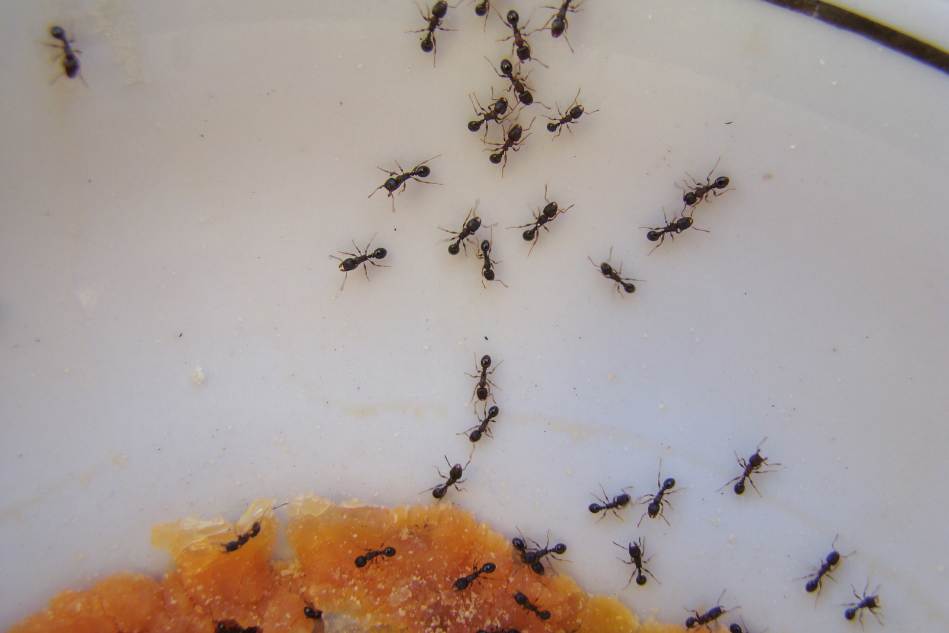
A few ants don’t always mean you have a large infestation. The important thing is to pay attention to their behavior and whether activity continues.
Watch for these signs:
- Repeated trails: Ants repeatedly travel along the same counter, baseboard, window, or wall.
- Increasing numbers: You notice more ants over several days, even after cleaning.
- Recurring activity near water: Ants consistently gather around sinks, bathrooms, or damp areas.
- Ants emerging from gaps: You see ants coming from cracks, wall openings, or spaces behind cabinets.
- Winged ants indoors: You notice winged insects that may be reproductive ants or another type of insect.
Winged ants can sometimes be confused with termite swarmers. Because termites and ants require different control methods, don’t rely on appearance alone if you’re uncertain.
If you suspect termites, arrange an appropriate inspection rather than assuming that a general ant treatment will resolve the issue.
What Is the Best Way to Get Rid of Ants in the House?
The best approach depends on the ant species, the location of the nest, and the conditions attracting them. Simply spraying visible ants may reduce the number you see, but it might not reach the colony or address the reason they entered.
Here are practical steps to consider.
Step 1: Follow the Trail of Ants in the House
Observe where the ants are traveling. Look for the food or moisture source and check whether the trail appears to lead toward a window, door, crack, or another opening. Avoid crushing or disturbing large numbers of ants unnecessarily while you’re trying to identify their route.
Step 2: Remove Food and Water Sources
Clean affected surfaces, seal food containers, empty garbage, and repair leaks. These steps make the environment less attractive to ants and support other control measures.
Step 3: Seal Entry Points
Close suitable gaps around windows, doors, pipes, and other openings. If you cannot identify where ants are entering, monitor their route before sealing an area. Avoid blocking ventilation openings or interfering with necessary building systems.
Step 4: Use Ant Products Carefully
Ant baits may be useful for some species because worker ants can carry bait back toward the colony. However, bait selection and placement matter. Different ant species prefer different food sources, and some products may be ineffective for the particular ants present. Certain sprays may also interfere with baiting programs. Follow all product label instructions. Keep baits and other pest-control products away from children and pets and never apply products to food-contact surfaces unless the label specifically permits it. If you’re unsure which treatment is appropriate, professional guidance can help prevent wasted time and repeated applications.
Step 5: Monitor the Area Where You Saw the Ants in the House
After cleaning, sealing gaps, or applying a suitable treatment, check whether ant activity decreases. If ants continue to appear, investigate whether another food source, entry point, or nest is involved. Ongoing activity may mean the original source wasn’t addressed, the treatment wasn’t suited to the species, or additional colonies are present.
Are Ants in Your House Dangerous?
Many household ants are primarily a nuisance, but their impact depends on the species. Ants can contaminate exposed food and surfaces as they travel through different environments. Some species can bite or sting, and others may damage property through their nesting behavior. Carpenter ants, for example, can excavate wood to establish nests. Their presence may be associated with damp or damaged timber, although they can also nest in sound wood under certain conditions. Ants shouldn’t automatically be treated as evidence of structural damage. Proper identification is important because different species have different habits and risks.
If you notice unusual wood shavings, damaged timber, or recurring winged insects, consider having the area inspected to determine the cause.
DIY Ant Control vs. Professional Ant Control
DIY prevention is a good starting point for many minor ant problems. Cleaning, food storage, moisture control, and sealing entry points can help reduce the conditions that attract ants.
However, some infestations are more difficult to manage.
Professional help may be useful when:
- Ants keep returning after repeated cleaning and treatment.
- Trails appear in multiple rooms.
- Ants seem to emerge from walls or inaccessible areas.
- You suspect carpenter ants or another species that may damage property.
- The nest location is unclear.
- You’re managing a rental property or commercial building and need a more consistent prevention plan.
- A professional can help identify the species, investigate likely entry points, and select a control approach suited to the problem.
- The aim is to address the source of the activity, not just the ants you can see.
Frequently Asked Questions About Ants in the House
Why do ants suddenly appear in my kitchen?
Ants may discover food crumbs, spills, pet food, or a water source. Once a worker finds something attractive, chemical trails can guide other ants to the same location.
Does seeing one ant mean there are more?
Not always, but a single ant may be a scout searching for food. Monitor the area for additional ants and remove potential food and water sources.
Why do ants in the house keep coming back after I spray them?
Sprays may kill visible ants without eliminating the nest or closing the entry point. Some treatments may also interfere with certain baiting strategies. The right approach depends on the ant species and the source of activity.
How do I stop ants from entering my home?
Store food in sealed containers, clean spills promptly, manage garbage, repair leaks, trim vegetation near the building, and seal suitable openings around doors, windows, and utility lines.
Can ants in the house damage a house?
Some ants can damage property. Carpenter ants excavate wood for nesting, although many other household ants primarily cause nuisance problems and may contaminate food.
Are ants and termites the same?
No. Ants and termites are different insects with different physical characteristics and behaviors. Winged ants and termite swarmers can sometimes be confused, so professional identification may be appropriate if you’re unsure.
When should I call a pest control professional?
Consider professional help when ants keep returning, the source is difficult to locate, multiple areas are affected, or you suspect a species that may damage wood.
Keep Ants Out With the Right Prevention Plan
Finding ants in your home can be frustrating, but understanding what attracts them can help you take the right first steps.
Start with the basics: remove accessible food, address moisture, inspect common entry points, and keep outdoor areas around your home tidy. If ant activity continues, identifying the species and locating the source can make treatment more effective. You don’t have to wait until ants spread throughout your kitchen or other rooms before seeking advice.
Take Care Termite & Pest Control offers residential and commercial pest control services, including ant control and customized pest management approaches.
Visit Take Care Termite to learn more, or explore the company’s residential pest control services.
A few preventive steps today can help you keep your home cleaner, more comfortable, and less inviting to unwanted pests.